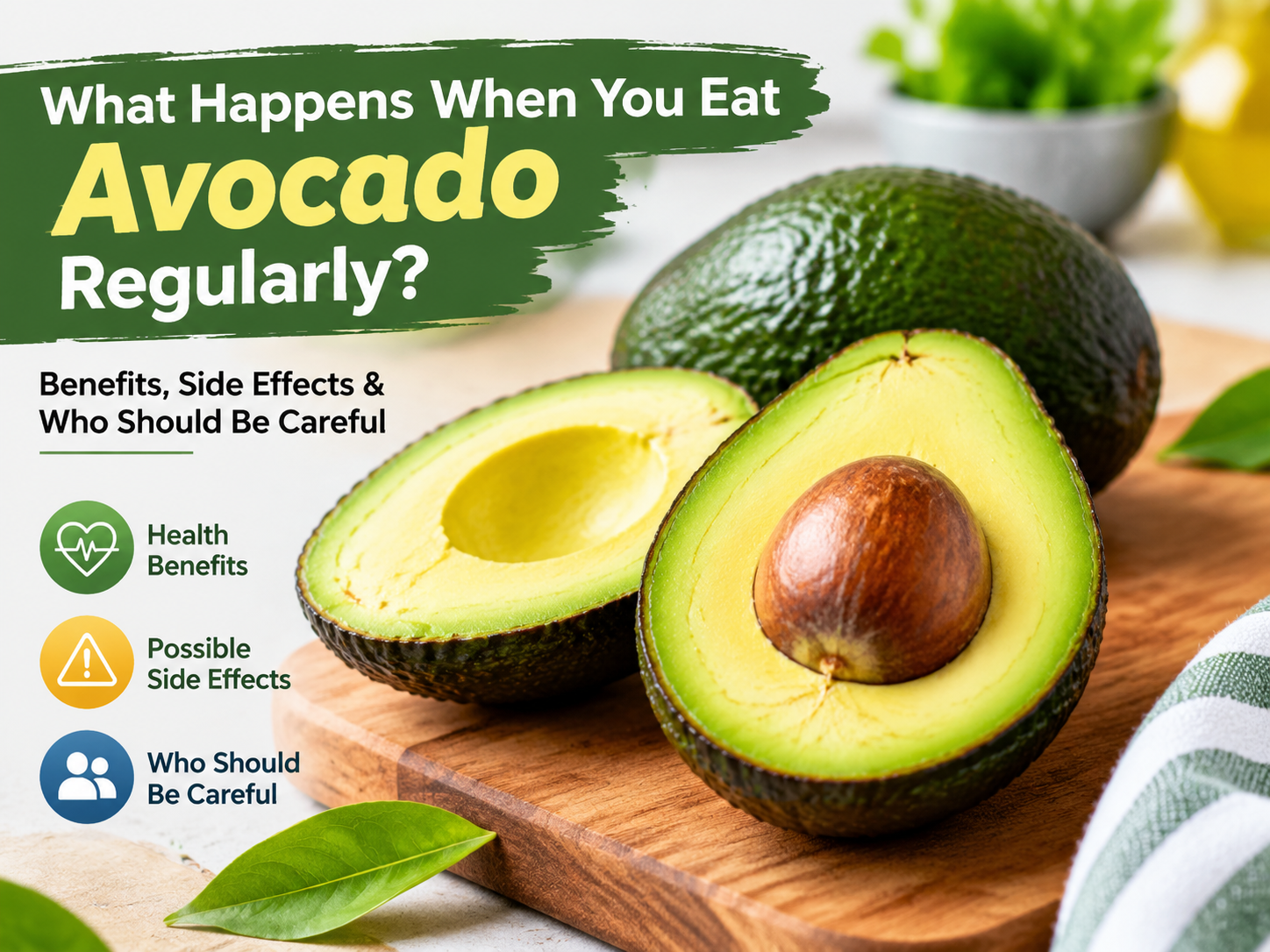
Avocados have become a popular addition to healthy meals, from breakfast toast to fresh salads and homemade smoothies. Their creamy texture and mild flavor make them easy to enjoy, but there is more to this green fruit than meets the eye.
Although avocados provide valuable nutrients and healthy fats, some people may need to pay attention to portion sizes, allergies, and their individual dietary requirements. Understanding both the benefits and potential drawbacks can help you make informed choices about including avocado in your daily diet.
What Makes Avocados a Nutrient-Rich Food?
Avocados contain monounsaturated fats, dietary fiber, potassium, folate, and several other important nutrients. Unlike many fruits, they provide a substantial amount of fat, making them more energy-dense than foods such as berries or melons.
These nutrients can contribute to a balanced eating pattern when avocado is combined with vegetables, whole grains, legumes, and other nutritious foods.
However, no single food can guarantee better health. Your overall eating habits, activity level, and individual health needs matter much more than one ingredient alone.
1. Avocados Contain Healthy Fats
One of the best-known nutritional features of avocado is its high concentration of monounsaturated fat.
Replacing some foods rich in saturated fat, such as butter, with avocado may help improve the overall quality of your diet. Research on avocado consumption and cardiovascular health has produced promising findings, although results vary between studies and more long-term research is needed.
A practical option is to spread mashed avocado on whole-grain toast instead of using a large amount of butter or another high-saturated-fat spread.
2. Eating Too Much May Increase Your Calorie Intake
Avocados are nutritious, but they are also relatively high in calories because of their fat content.
Eating large portions on top of your usual meals can increase your daily calorie intake. This does not mean avocado automatically causes weight gain. Rather, the amount you eat and the foods it replaces make a difference.
If you are monitoring your calorie intake, try adding a modest portion to a meal instead of treating it as an unlimited snack.
3. Avocados Provide Dietary Fiber
Fiber supports normal digestion and helps maintain regular bowel movements. Avocados contain both soluble and insoluble fiber, which contribute to a varied, fiber-rich diet.
However, increasing fiber intake too quickly can cause bloating, gas, or abdominal discomfort in some people.
If you are not accustomed to eating fiber-rich foods, start with a smaller portion and increase your intake gradually. Drinking enough water and eating a variety of fruits, vegetables, and whole grains can also help.
People with digestive conditions that require individualized dietary management may need to adjust their portions according to professional advice.
4. Some People May Experience an Allergic Reaction
Although avocado allergy is uncommon, it can occur.
Possible symptoms include itching around the mouth, hives, swelling, stomach discomfort, or other allergic symptoms. Some people with latex allergy may also experience reactions to certain fruits, including avocado, because of cross-reactivity.
Anyone who repeatedly develops symptoms after eating avocado should stop consuming it until they have received appropriate medical advice.
Swelling of the tongue or throat, difficulty breathing, or faintness may indicate a severe allergic reaction. Seek emergency medical care immediately if these symptoms occur.
5. Avocados Contain Potassium
Potassium is an essential mineral involved in normal muscle function, nerve signaling, and fluid balance.
Avocados can contribute to your daily potassium intake as part of a balanced diet. For many healthy adults, potassium-rich foods are a useful part of an overall healthy eating pattern.
However, people with certain kidney conditions or those taking medications that can increase potassium levels may need to monitor their intake.
If your healthcare professional has advised you to follow a potassium-restricted diet, ask whether avocado fits your individual meal plan rather than assuming it is suitable for everyone.
6. Can Avocados Affect Blood Sugar?
Avocados contain relatively little carbohydrate compared with many other fruits and provide fiber and fat. These characteristics can make them a useful addition to balanced meals.
Nevertheless, avocado should not be considered a treatment for diabetes or a replacement for prescribed medication.
People managing blood sugar can enjoy a variety of nutrient-rich foods while following their individualized nutrition plan. The overall composition of the meal, portion sizes, and personal response all matter.
7. How Much Avocado Should You Eat?
There is no single serving size that is ideal for everyone. Your nutritional needs, appetite, activity level, and existing diet all influence how much avocado makes sense for you.
A small portion—such as one-quarter to one-half of a medium avocado—can be a practical starting point for many people.
You can add it to:
- Whole-grain toast with eggs.
- A fresh vegetable salad.
- A bean and vegetable wrap.
- A sandwich in place of some mayonnaise.
- A bowl containing whole grains and lean protein.
Remember that avocado oil, creamy sauces, cheese, and other calorie-dense additions can increase the energy content of a meal. Consider the entire dish rather than focusing on avocado alone.
Who Should Be Careful About Eating Avocado?
Most people can include avocado in a varied diet, but some circumstances call for extra attention.
People with avocado allergies: Avoid avocado if you have a confirmed allergy and follow your clinician’s advice about related foods.
People with certain kidney conditions: Ask your healthcare professional whether your potassium intake needs to be limited.
People monitoring calorie intake: Pay attention to portion sizes because avocado is energy-dense.
People with sensitive digestion: Increase fiber intake gradually and adjust portions if you notice discomfort.
People following a medically prescribed diet: Check whether avocado fits your specific nutritional restrictions.
These considerations do not mean avocado is dangerous for everyone. They simply show why dietary advice should account for individual needs.
How to Choose and Store Avocados
Choose an avocado that feels slightly soft when gently pressed but is not deeply dented or mushy. A very firm fruit may need additional time to ripen at room temperature.
Once ripe, store the whole avocado in the refrigerator to slow further ripening. After cutting it, cover the exposed flesh and refrigerate it promptly. A little browning on the surface can occur through exposure to air, but discard the fruit if it develops mold, an unpleasant smell, or other signs of spoilage.
Always wash the outside before cutting to reduce the risk of transferring surface contaminants to the edible flesh.
The Bottom Line
Avocados offer fiber, potassium, and predominantly unsaturated fats that can fit well into a balanced diet. For many people, eating them regularly in reasonable portions is a nutritious choice.
The main concerns involve individual allergies, calorie intake, digestive tolerance, and medical conditions that require specific dietary restrictions.
Rather than fearing a popular food or expecting it to solve every health problem, focus on variety, moderation, and reliable nutritional information. If you have a condition that affects your diet, a qualified healthcare professional or registered dietitian can help you determine the right approach.
Medical disclaimer: This article is for general educational purposes only and does not replace individualized medical advice, diagnosis, or treatment.